 Shaanxi Shangnan County Dongzheng Chemical Co., Ltd.
[Structural Formula] (C3H5NO)n
[Molecular Weight] 1×10⁴2×10⁷
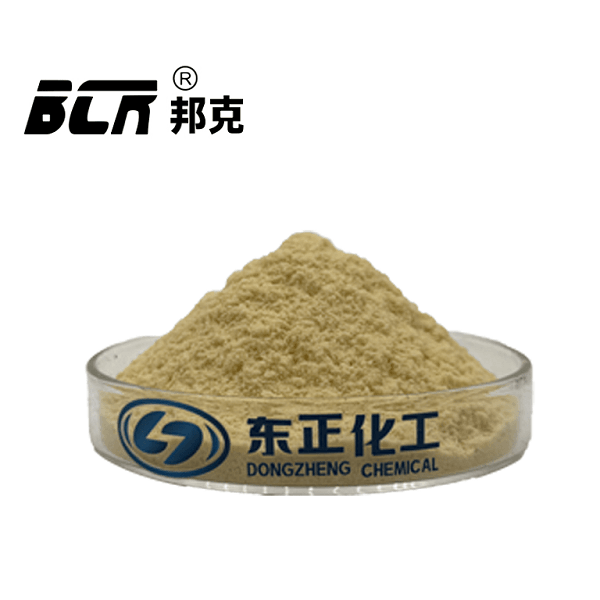
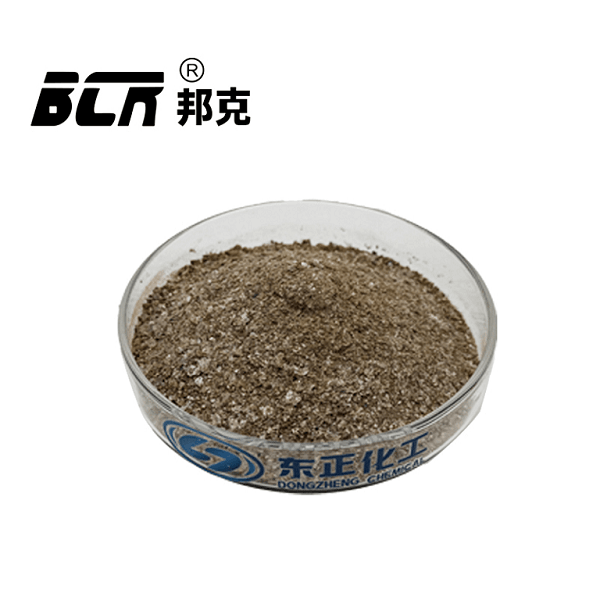
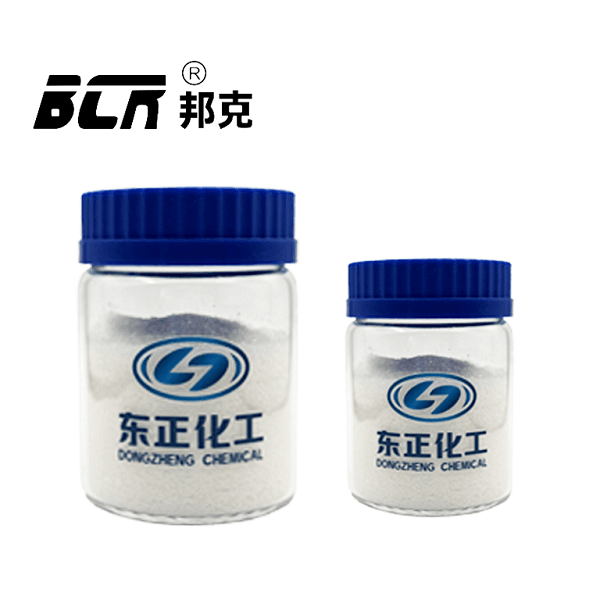
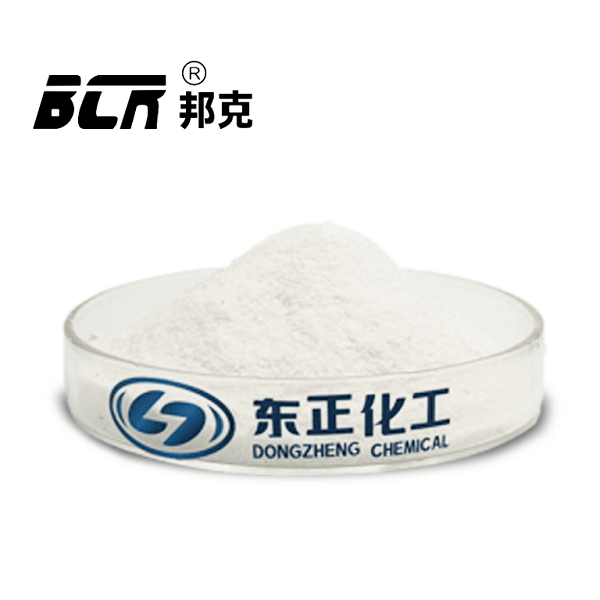
[Appearance] Free-flowing white to light yellow powder or granules.
[Physical and Chemical Properties]
Polyacrylamide (PAM) is a linear high molecular weight polymer with good thermal and light stability. At room temperature, it appears as a white or light-yellow solid. It dissolves quickly in water, forming a colorless or light-yellow solution. The polymer chain contains amide groups, making it highly water-soluble and chemically active, capable of forming hydrogen bonds and crosslinking reactions. Its molecular weight ranges from thousands to millions, with aspect ratios up to 100,000. The molecular chains are flexible and prone to entanglement.
[Technical Specifications]
| Item | Specification | |
| PAM | HPAM | |
| Appearance | Free-flowing white to light yellow powder or granules | Free-flowing white to light yellow powder or granules |
| Weight of screen residue,% ≤ | 10.0 | |
Moisture,% ≤ | 10.0 | |
| Effective substances,% ≥ | 85.0 | |
Hydrolysis Degree,% | 20.0-35.0 | |
Intrinsic Viscosity,mL/g ≥ | 6.0*10² | |
| Flocculation Time,s ≥ | 100.0 | |
[Application]
In water treatment, PAM is used with activated carbon for flocculating and clarifying suspended solids in domestic water. Replacing inorganic coagulants with PAM can improve clarification efficiency by over 20% without changing the settling tank. In wastewater treatment, it improves recycling and is also used for sludge dewatering. In industrial water treatment, it is a key formulation component.
[Product Advantages]
1. High flocculation strength and fast sedimentation rate.
2. Significantly reduction in other flocculants usage and cost.
3. Good compatibility.
4. Broad applicability to various water qualities.
[Packaging] 25 kg/bag, packed in moisture-proof kraft paper bags with triple-layer composite structure.
[Storage Conditions] Keep in a ventilated, dry place. Protect from moisture, fire, and high temperature.